
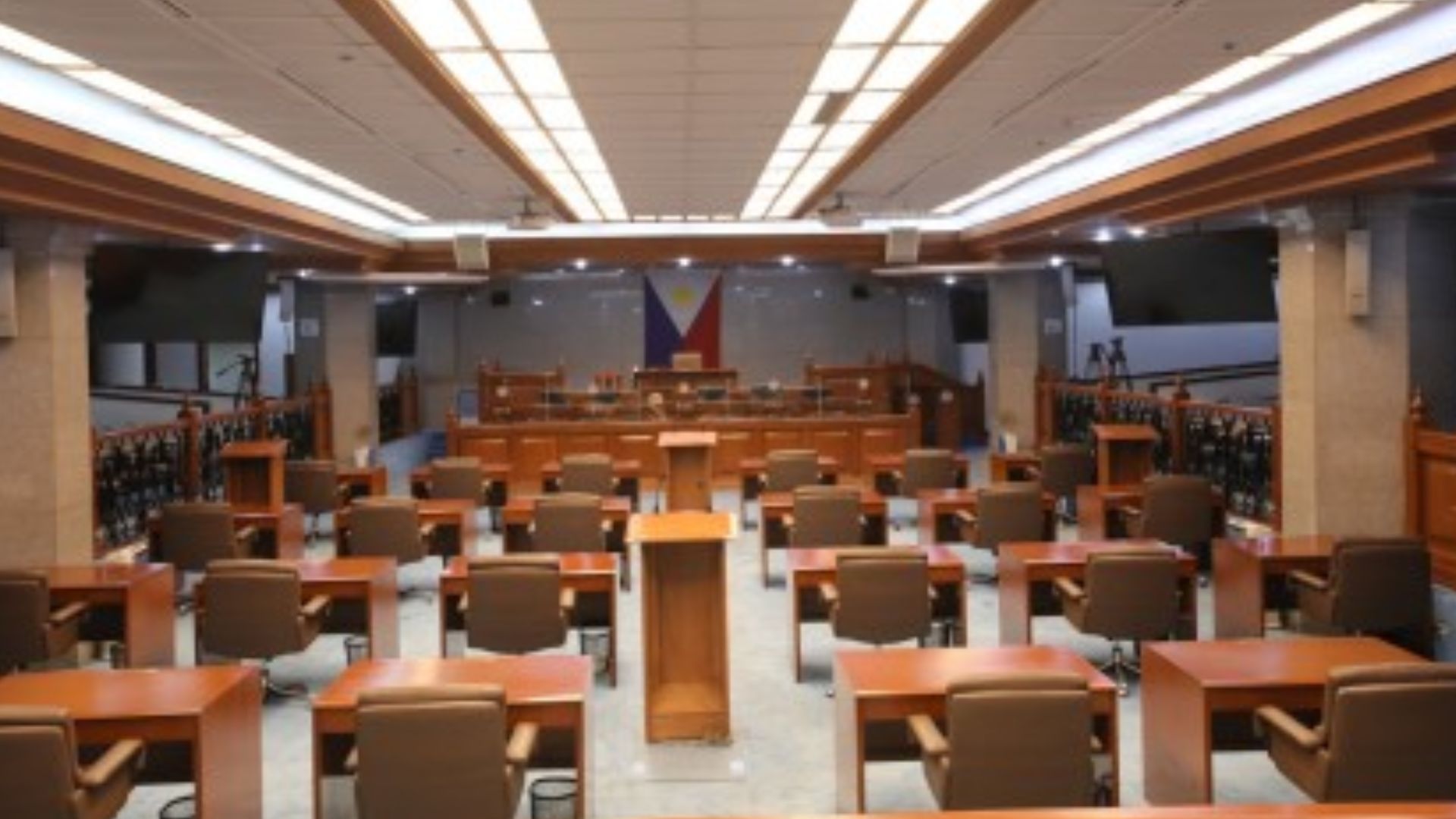







Malacañang on Wednesday said the recent tensions in the Senate give the Filipinos an opportunity to reflect on the priorities of elected leaders amid heated debates over proposed changes to chamber rules allowing remote participation in plenary sessions.
Palace Press Officer Claire Castro urged Filipinos to assess whether the lawmakers are acting in the interest of the public or for personal gains.
“Lumalabas po talaga na maayos naman ang mga rules at nais lamang nila itong baguhin (It appears that the rules are in order, and they only want to change them),” Castro told reporters in Tokyo, Japan.
“Ang mga Pilipino, dito makikita, ito ang magandang pagkakataon para malaman natin lahat kung ang mga liderato ba at mga leader na ito ay nagtatrabaho para sa bayan o para sa pansarili o pang iilan lamang (Filipinos will see here—this is a good opportunity to know whether these leaders are working for the nation or for themselves or a few others only),” she added, citing Gen. Antonio Luna’s famous line: “Bayan o sarili, mamili ka (Nation or self, choose).’”
Castro issued the statement after members of the Senate minority bloc on Tuesday walked out of the session hall amid a heated discussion on a proposal allowing senators to attend plenary sessions and vote remotely under “justifiable reasons.”
She maintained that the Executive branch will not interfere in the Senate’s internal affairs, reiterating respect for the independence of a co-equal branch of government.
“Noon pa natin sinasabi na ang mga nagaganap sa Senado ay ang kanilang pagdedesisyon at hindi naman ito panghihimasukan ng Pangulo at ng administrasyon na ito (We have long said that what is happening in the Senate is their decision-making, and the President and this administration will not meddle),” Castro said.
She added that the Marcos administration remains focused on governance priorities while allowing senators to resolve their issues.
During Tuesday’s plenary session, Senator Rodante Marcoleta moved to amend Senate rules to allow lawmakers to attend sessions through teleconference or videoconference beyond “force majeure,” a move opposed by minority senators.
Castro noted that previous remote voting arrangements were allowed during the Covid-19 pandemic due to calamities and emergency conditions, but said there is currently no similar circumstance that would justify such a setup.
She emphasized however that the matter remains solely for the Senate to decide.
“But still, muli ito ay nasa kanilang pagpapasya. Wala sa pagpapasya ng administrasyon, wala sa pagpapasya ng Pangulo (this is their decision. It is not the decision of the administration, nor of the President),” she said. (PNA)