
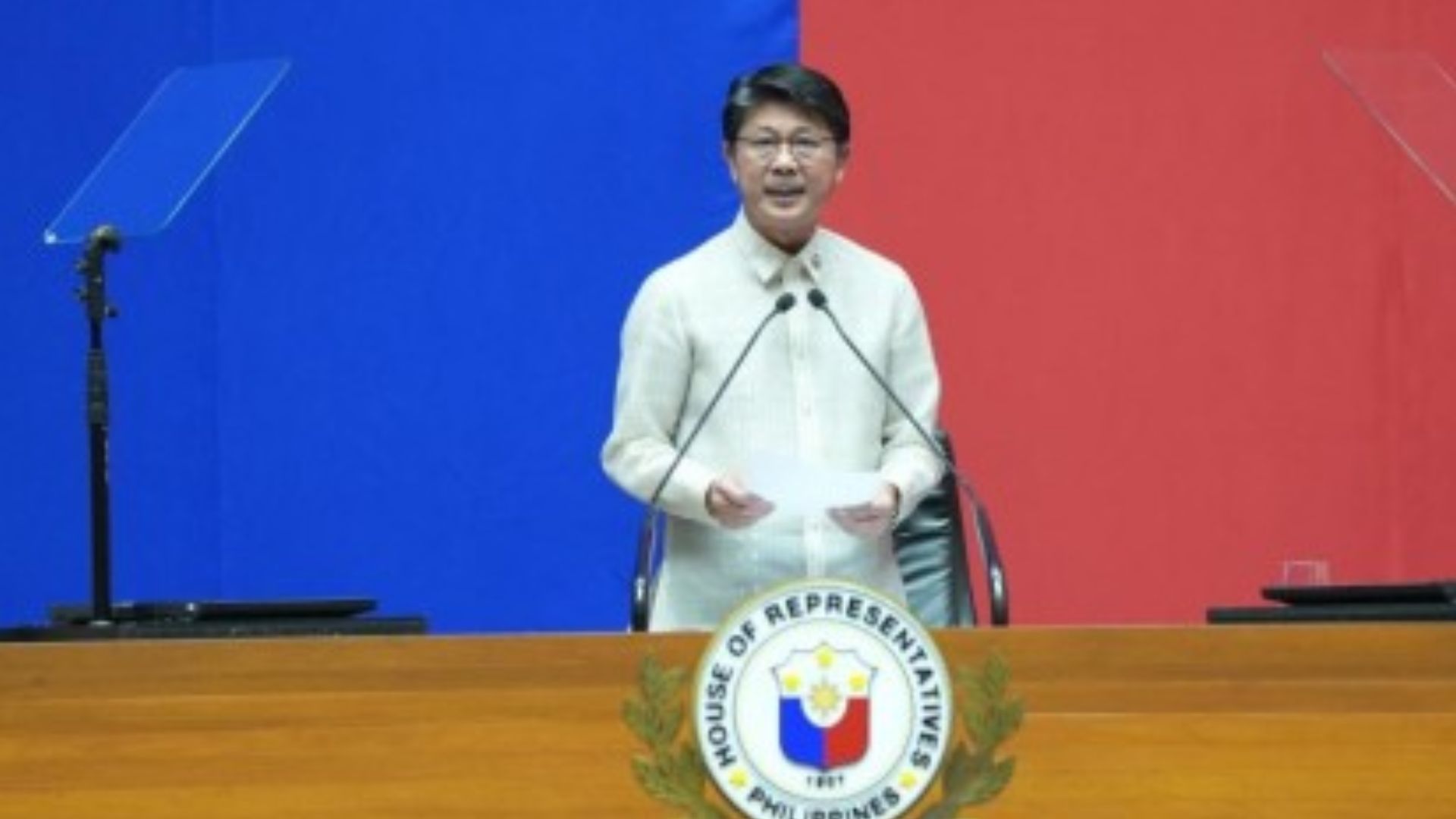







House Speaker Faustino “Bojie” Dy III has proposed sweeping safeguards against political dynasties, conflicts of interest, and undue political influence in the party-list system, as part of a broader effort to modernize the country’s electoral system and strengthen democratic representation.
House Bill (HB) No. 9906, or the proposed New Party-List System Act, was filed on Monday and includes provisions that would prohibit individuals closely connected to incumbent members of Congress, government contractors, and certain former elective officials from serving as party-list nominees.
The measure is a Legislative-Executive Development Advisory Council (LEDAC) priority bill and is among the administration’s key legislative reform measures.
In a statement Tuesday, Dy said the party-list system was created to expand representation, “not to expand the power of a few families.”
“Kung tunay tayong naninindigan para sa isang mas bukas, mas patas, at mas inklusibong demokrasya, dapat nating tiyakin na ang party-list system ay nananatiling tapat sa orihinal nitong layunin na bigyan ng boses at pagkakataong makilahok sa paggawa ng batas ang mga sektor at komunidad na kulang sa representasyon (If we really stand for a more transparent, more just and more inclusive democracy, we must ensure that the party-list system faithfully adheres to its original goal to give under-represented sectors and communities a voice and the opportunity to participate in lawmaking.”
The explanatory note of the measure cited concerns that some party-list groups have become vulnerable to capture by traditional political interests, allowing individuals associated with political dynasties or traditional electoral politics to use the system as an alternative route to legislative office.
Under the bill, any person related within the second degree of consanguinity or affinity to a sitting member of the Senate or House of Representatives would be disqualified from being nominated or serving as a party-list representative.
The measure also disqualifies incumbent elective officials, as well as individuals who have been awarded government contracts, concessions, franchises, or public-private partnership agreements within five years before the election.
Officers and controlling shareholders of corporations with government contracts shall likewise be prohibited from serving as nominees.
Former elective officials and candidates would also be required to observe a one-election-cycle cooling-off period before becoming party-list nominees.
In addition, the bill requires party-list organizations to certify that they are not directly or indirectly established by political dynasties and are not linked to individuals with beneficial interests in government contracts.
The bill also strengthens transparency requirements by requiring party-list organizations to maintain financial records, submit annual financial reports, and disclose significant contributions.
The Commission on Elections would be authorized to conduct audits and impose sanctions for noncompliance.
The proposed New Party-List System Act supplements the Anti-Political Dynasty Act, which was recently approved by the House on third reading.
Both measures seek to promote a more open, representative, and accountable political system by widening pathways for public service and ensuring that democratic institutions remain accessible to a broader range of Filipinos.
Dy said the reforms are intended to protect the integrity of the party-list system and restore public trust in one of the Constitution’s most important mechanisms for democratic representation. (PNA)